Jadugoda Diary_e-version
₹ 40.00
In StockShyamali khastgir
Jadugoda Diary
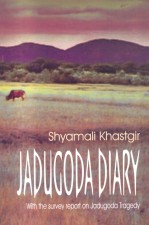
The uranium that fuels Indiaâs nuclear weapons and energy programme is mined at Jadugoda in Singhbhum district in the state of Jharkhand. The company that does the mining is Uranium Corporation of India Ltd (UCIL). UCIL was established in 1967 and started its operations in 1968 at Jadugoda with uranium ore mining and a processing plant, each of 1,000 metric tonnes per day capacity.
For more than three decades, there have been a large number of news reports in various magazines and newspapers, detailing various health problems suffered by the people of the area. Mostly these have concerned a large number of deformities in children and various kinds of lung problems.
Shyamali Khastgir surveyed the area in year 2000 and brought out this report.
Description
Shyamali khastgir
Jadugoda Diary
The uranium that fuels Indiaâs nuclear weapons and energy programme is mined at Jadugoda in Singhbhum district in the state of Jharkhand. The company that does the mining is Uranium Corporation of India Ltd (UCIL). UCIL was established in 1967 and started its operations in 1968 at Jadugoda with uranium ore mining and a processing plant, each of 1,000 metric tonnes per day capacity.
For more than three decades, there have been a large number of news reports in various magazines and newspapers, detailing various health problems suffered by the people of the area. Mostly these have concerned a large number of deformities in children and various kinds of lung problems.
Shyamali Khastgir surveyed the area in year 2000 and brought out this report.
e-edition, 620 KB
You must be logged in to post a review.
Related products
-
āĻ āϰā§āύā§āϧāϤ⧠āϰāĻžāϝāĻŧ
āĻĻā§āĻ āĻŦāĻŋāĻļā§āĻŦāĻāĻ āύāώā§āĻāĻĻā§āώā§āĻ āĻĻā§āĻļāĻāĻžāϞāϏāĻŽāĻžāĻā§ āĻ āϰā§āύā§āϧāϤā§āϰ āĻŽāϤ⧠āĻā§āώā§āϰāϧāĻžāϰ, āĻāϰ āĻŽāϤ⧠āϏā§āĻĒāώā§āĻāĻŦāĻā§āϤāĻž āĻā§āĻŦ āĻĻāϰāĻāĻžāϰāĨ¤ āĻāϰ āĻāϤāĻŋ, āĻāϰ āϝāϤāĻŋ, āĻāϰ āĻĻā§āĻāĻž, āĻāϰ āĻāĻā§āϰāĻŽāĻŖ, āĻāϰ āϝā§āĻā§āϤāĻŋ, āĻāϰ āĻāĻŦā§āĻ, āĻāϰ āĻāĻžāώāĻž, āĻāϰ āϞāĻŋāϰāĻŋāĻâ āϏāĻŦāĻ āύāĻŋāϤāĻžāύā§āϤ āĻĻāϰāĻāĻžāϰāĨ¤ āĻĒāϰāĻŋāĻŦāϰā§āϧāĻŋāϤ āĻ āĻĒāϰāĻŋāĻŽāĻžāϰā§āĻāĻŋāϤ āĻāĻ āύāϤā§āύ āϏāĻāϏā§āĻāϰāĻŖā§ āϝā§āĻā§āϤ āĻšāϝāĻŧā§āĻā§ āĻāϰāĻ āĻĻā§āĻāĻŋ āϏāĻžāĻā§āώāĻžā§āĻāĻžāϰ āĻ āĻāĻāĻāĻŋ āĻĒā§āϰāĻŦāύā§āϧāĨ¤
₹ 50.00Dui Bishwo_e-version
āĻ āϰā§āύā§āϧāϤ⧠āϰāĻžāϝāĻŧ
āĻĻā§āĻ āĻŦāĻŋāĻļā§āĻŦāĻāĻ āύāώā§āĻāĻĻā§āώā§āĻ āĻĻā§āĻļāĻāĻžāϞāϏāĻŽāĻžāĻā§ āĻ āϰā§āύā§āϧāϤā§āϰ āĻŽāϤ⧠āĻā§āώā§āϰāϧāĻžāϰ, āĻāϰ āĻŽāϤ⧠āϏā§āĻĒāώā§āĻāĻŦāĻā§āϤāĻž āĻā§āĻŦ āĻĻāϰāĻāĻžāϰāĨ¤ āĻāϰ āĻāϤāĻŋ, āĻāϰ āϝāϤāĻŋ, āĻāϰ āĻĻā§āĻāĻž, āĻāϰ āĻāĻā§āϰāĻŽāĻŖ, āĻāϰ āϝā§āĻā§āϤāĻŋ, āĻāϰ āĻāĻŦā§āĻ, āĻāϰ āĻāĻžāώāĻž, āĻāϰ āϞāĻŋāϰāĻŋāĻâ āϏāĻŦāĻ āύāĻŋāϤāĻžāύā§āϤ āĻĻāϰāĻāĻžāϰāĨ¤ āĻĒāϰāĻŋāĻŦāϰā§āϧāĻŋāϤ āĻ āĻĒāϰāĻŋāĻŽāĻžāϰā§āĻāĻŋāϤ āĻāĻ āύāϤā§āύ āϏāĻāϏā§āĻāϰāĻŖā§ āϝā§āĻā§āϤ āĻšāϝāĻŧā§āĻā§ āĻāϰāĻ āĻĻā§āĻāĻŋ āϏāĻžāĻā§āώāĻžā§āĻāĻžāϰ āĻ āĻāĻāĻāĻŋ āĻĒā§āϰāĻŦāύā§āϧāĨ¤
Categories: e-Books, āϰāĻžāĻāύā§āϤāĻŋ, āϏāĻŽāĻāĻžāϞ, āϏāĻŽāĻžāĻ₹ 50.00 -
ANANDA K COOMARASWAMY
The Indian CraftsmanClosely associated with the Tagore family of Jorasanko and the Swadeshi movement of Bengal, this eminent art-historian of the early twentieth century did not discriminate the art of the rural folk with the great religious arts of the rich and urban people. He saw it as conscientious expression of both the artisans as well as the civilization that nurtured it. Creativity of an ordinary earthen pot was equally valuable to him as with that of a gigantic temple. This is a rare and important book by Coomaraswamy who is regarded as the successor of Blake, Ruskin and William Morris in aesthetic point of view.
₹ 160.00Version : ebook - hardcopyThe Indian Craftsman
ANANDA K COOMARASWAMY
The Indian CraftsmanClosely associated with the Tagore family of Jorasanko and the Swadeshi movement of Bengal, this eminent art-historian of the early twentieth century did not discriminate the art of the rural folk with the great religious arts of the rich and urban people. He saw it as conscientious expression of both the artisans as well as the civilization that nurtured it. Creativity of an ordinary earthen pot was equally valuable to him as with that of a gigantic temple. This is a rare and important book by Coomaraswamy who is regarded as the successor of Blake, Ruskin and William Morris in aesthetic point of view.
₹ 160.00 -
Bharat Mansata
Organic RevolutionThis remarkable story demolishes the myth that organic farming can never feed the world! Holistically adopted, it can also revitalise society, enhance the environment and safeguard future generations. In the current raging debate over urban-industrial uprootment of farmers, here is one example the world cannot ignore. After the Soviet Union collapsed â and the US tightened its embargo â Cubaâs Organic Revolution began suddenly, under compulsion. A decade later, in 1999, the Swedish Parliament presented the Right Livelihood Award, or âAlternative Nobel Prizeâ, to the Cuban Organic Farming Association â for âshowing that organic agriculture is a key to both food security and environmental sustainability.â Today, not only has Cubaâs productivity increased, its economy, health, education, energy efficiency, water security, âĻ are all big gainers. In 2006, the World Wide Fund for Nature (WWF) and the Global Footprint Network declared: Cuba is the only country on earth to achieve sustainable development! The American Journal of Public Health reported a 45% decline in cardiovascular diseases. Cubaâs bio-diverse agro-ecology and forest cover exceeding 25% also counter global warming. âIncreasingly, people came to believe that productive, healthy harvests could be obtained on positive cost-benefit terms, while protecting the environment, âĻ without excessive energy use.â â Dr. Fernando F. Aguilar, President, GAO, Organic Farming Association of Cuba âCuba offers the very first large-scale test of sustainable alternatives, âĻ before environmental realities mandate the rest of the world embark on a sudden, wholesale switch to organic agriculture.â â Dr. P. Rosset, Director, âFood Firstâ, Institute for Food & Development Policy, Washington, USA “âĻ Cuba is creating something truly new and hopeful for all of humanity.” -Prof. R. Levins, Harvard University School of Public Health.
Page 131, New edition
₹ 200.00Organic Revolution
Bharat Mansata
Organic RevolutionThis remarkable story demolishes the myth that organic farming can never feed the world! Holistically adopted, it can also revitalise society, enhance the environment and safeguard future generations. In the current raging debate over urban-industrial uprootment of farmers, here is one example the world cannot ignore. After the Soviet Union collapsed â and the US tightened its embargo â Cubaâs Organic Revolution began suddenly, under compulsion. A decade later, in 1999, the Swedish Parliament presented the Right Livelihood Award, or âAlternative Nobel Prizeâ, to the Cuban Organic Farming Association â for âshowing that organic agriculture is a key to both food security and environmental sustainability.â Today, not only has Cubaâs productivity increased, its economy, health, education, energy efficiency, water security, âĻ are all big gainers. In 2006, the World Wide Fund for Nature (WWF) and the Global Footprint Network declared: Cuba is the only country on earth to achieve sustainable development! The American Journal of Public Health reported a 45% decline in cardiovascular diseases. Cubaâs bio-diverse agro-ecology and forest cover exceeding 25% also counter global warming. âIncreasingly, people came to believe that productive, healthy harvests could be obtained on positive cost-benefit terms, while protecting the environment, âĻ without excessive energy use.â â Dr. Fernando F. Aguilar, President, GAO, Organic Farming Association of Cuba âCuba offers the very first large-scale test of sustainable alternatives, âĻ before environmental realities mandate the rest of the world embark on a sudden, wholesale switch to organic agriculture.â â Dr. P. Rosset, Director, âFood Firstâ, Institute for Food & Development Policy, Washington, USA “âĻ Cuba is creating something truly new and hopeful for all of humanity.” -Prof. R. Levins, Harvard University School of Public Health.
Page 131, New edition
₹ 200.00 -
This is the celebrated book on art and aesthetics of the east written by the Japanese master artist, theoretician and art activist Kakuzo Okakura.
₹ 40.00 -
āĻĒāĻžāĻāϞ⧠āĻĢā§āϰā§āĻāϰāĻŋ
āĻŽā§āĻā§āϤāĻŋāϰ āĻāύā§āϝ āϏāĻžāĻāϏā§āĻā§āϤāĻŋāĻ āĻĒā§āϰā§āĻžāϏÂāĻĒāĻžāĻāϞ⧠āĻĢā§āϰā§āĻāϰāĻŋ-āϰ āĻļāĻŋāĻā§āώāĻžāĻāĻŋāύā§āϤāĻžāϰ āĻŽā§āϞ āĻāĻĨāĻž āĻšāϞâ āĻĒā§āϰāϤāĻŋāĻāĻŋ āĻŽāĻžāύā§āώ āĻāĻ-āĻāĻāĻāĻŋ āϏā§āĻŦāϤāύā§āϤā§āϰ āϏā§āĻŦāĻžāϧā§āύ āϏāϤā§āϤāĻž, āϝāĻŋāύāĻŋ āĻĒā§āĻĨāĻŋāĻŦā§āĻā§ āĻĒāϰāĻŋāĻŦāϰā§āϤāύ āĻāϰāϤ⧠āĻĒāĻžāϰā§āύ āĻāĻŦāĻ āύāϤā§āύ āĻāϰ⧠āĻā§āϤ⧠āĻĒāĻžāϰā§āύāĨ¤ āĻŽāĻžāύā§āώā§āϰ āĻā§āϤāύāĻž āϰā§āĻĒ āĻĒāĻžā§ āĻāϰā§āĻĨ-āϏāĻžāĻŽāĻžāĻāĻŋāĻ āĻ āϰāĻžāĻāύā§āϤāĻŋāĻ āĻĒāϰāĻŋāϏā§āĻĨāĻŋāϤāĻŋ āĻāϰ āĻŽāĻžāύā§āώāĻāĻŋāϰ āύāĻŋāĻāϏā§āĻŦ āĻĒāĻžāϰāĻŋāĻĒāĻžāϰā§āĻļā§āĻŦāĻŋāĻā§āϰ āĻĒā§āϰāĻāĻžāĻŦā§āĨ¤ āϤāϤā§āϤā§āĻŦ-āĻāϰā§āĻŽ-āϏāĻŽāύā§āĻŦā§ā§ āĻŦāĻŋāĻļā§āϞā§āώāĻŖā§ āĻā§āϤāύāĻž āĻŽāĻžāύā§āώāĻā§ āĻāĻžāĻŦāύāĻž āĻĨā§āĻā§ āĻāĻžāĻā§ āĻ āĻā§āϰāϏāϰ āĻšāϤ⧠āĻļā§āĻāĻžā§āĨ¤ āĻļā§āώāĻā§āϰ āĻāϰā§āĻĒāĻŋāϤ āύā§āĻāĻļāĻŦā§āĻĻā§āϝā§āϰ āϏāĻāϏā§āĻā§āϤāĻŋ āύāĻŋāĻĒā§ā§āύ āĻāĻžāϰāĻŋ āϰāĻžāĻāϤ⧠āϏāĻžāĻšāĻžāϝā§āϝ āĻāϰ⧠āĻāĻŦāĻ āĻŽāĻŋāĻĨā§āϝāĻž āĻāĻŋāĻā§ āĻāĻžāĻŦāύāĻžāϰ āĻŽāϧā§āϝ⧠āĻŽāĻžāύā§āώāĻā§ āĻāĻāĻā§ āϰāĻžāĻā§āĨ¤ āĻā§āĻāĻžāύāĻžāϰā§āĻāύā§āϰ āĻāĻĻā§āĻĻā§āĻļā§āϝāĻ āĻšāϞ āĻļāĻŋāĻā§āώāĻžāϰā§āĻĨā§āϰ (āϏā§āĻ āϏāĻā§āĻā§ āĻļāĻŋāĻā§āώāĻā§āϰāĻ) āϤāϤā§āϤā§āĻŦ-āĻāϰā§āĻŽ-āϏāĻŽāύā§āĻŦā§ā§ āĻŦāĻŋāĻļā§āϞā§āώāĻŖā§ āĻā§āϤāύāĻžā§āύā§āϰ āĻŽāĻžāϧā§āϝāĻŽā§ āĻŦāĻžāϏā§āϤāĻŦ āĻā§āĻŦāύ⧠āĻŽā§āĻā§āϤāĻŋ āĻ āϰā§āĻāύā§āϰ āĻĒāĻĨ āĻāϰ⧠āύā§āĻā§āĻž āĨ¤
āĻĒāĻžāĻāϞ⧠āĻĢā§āϰā§āĻāϰāĻŋ-āĻā§ āύāĻŋā§ā§ āĻŦāĻŋāĻļā§āϞā§āώāĻŖāĻŽā§āϞāĻ āĻāĻžāĻ āĻāĻāĻžāύ⧠āĻŦāĻŋāĻļā§āώ āĻšā§āύāĻŋāĨ¤ āϤāĻžāĻāϰ āĻļāĻŋāĻā§āώāĻžāϤāϤā§āϤā§āĻŦā§āϰ āĻĒā§āϰā§ā§āĻāĻ āĻā§āĻŦ āĻŦāĻŋāϏā§āϤāĻžāϰāĻŋāϤ āĻ āϏāĻāĻāĻ āĻŋāϤ āĻāĻžāĻŦā§ āĻšā§āύāĻŋāĨ¤ āĻŦāĻŋāĻĻā§āϝāĻžā§āϤāύā§āϰ āĻ āύā§āĻĻāϰ⧠āĻŦāϏ⧠āĻāĻŦā§āώāĻŖāĻž āϝāĻĨā§āώā§āĻ āύā§āĨ¤ āϤāĻžāĻāĻā§ āύāĻŋā§ā§ āĻā§āύ āĻ āϰā§āĻĨāĻĒā§āϰā§āĻŖ āĻāĻžāĻ āĻāϰāϤ⧠āĻā§āϞ⧠āĻĻā§āĻā§āĻžāϞā§āϰ āĻŦāĻžāĻāϰ⧠āύāĻž āĻāϞ⧠āĻāϞāĻŦā§ āύāĻžāĨ¤ āϤāĻž āύāĻž āĻšāϞ⧠āĻŽā§āϞ āĻŦā§āϝāĻžāĻĒāĻžāϰāĻāĻžāĻ āĻĨā§āĻā§ āϝāĻžāĻŦā§ āĻ āϧāϰāĻžāĨ¤ āϏāĻŽāϏā§āϝāĻž āĻšāϞ, āĻĒā§āϰāĻĨāĻžāĻŦāĻšāĻŋāϰā§āĻā§āϤ āĻļāĻŋāĻā§āώāĻžāĻ āĻāĻĻā§āĻļā§ āĻĒā§āϰāĻžāϤāĻŋāώā§āĻ āĻžāύāĻŋāĻ āĻšā§ā§ āĻĒā§ā§āĨ¤ āĻĻāϰāĻāĻžāϰ āĻāĻŋāύā§āϤāĻžāĻāĻžāĻŦāύāĻžāĻā§ āĻŦāĻžāĻā§āϏā§āϰ āĻŦāĻžāĻāϰ⧠āύāĻŋā§ā§ āĻāϏāĻž, āĻāĻžāύāϞāĻž āĻĻāĻŋā§ā§ āĻŦāĻžāĻāϰ⧠āϤāĻžāĻāĻžāύā§āĨ¤ âāĻļāĻŋāĻā§āώāĻžāĻŦā§āϝāĻŦāϏā§āĻĨāĻžâ āύāĻžāĻŽāĻ āĻā§āĻĻā§âāĻāĻŦāĻāĻŋāĻā§ āĻāĻžāĻāϤ⧠āĻšāϞā§, āĻĢā§āϰā§āĻāϰāĻŋ-āϰ āĻļāĻŋāĻā§āώāĻžāĻāĻŋāύā§āϤāĻž āĻ āϧā§āϝā§āύ āĻāϰāĻž āϤāĻžāĻ āĻā§āĻŦāĻ āĻāϰā§āϰāĻŋāĨ¤ āϤāĻžāĻāϰ āϏāĻŦ āĻŦāĻ-āĻ āĻĒā§āĻž āĻāĻāĻŋāϤ, āĻāĻŋāύā§āϤ⧠āĻĒā§āϰāĻĨāĻŽā§ āĻĒā§āĻž āĻāĻāĻŋāϤ âāĻāĻžāϞāĻāĻžāϰāĻžāϞ āĻ ā§āϝāĻžāĻāĻļāύ āĻĢāϰ āĻĢā§āϰāĻŋāĻĄāĻŽâāĨ¤
āĻŦāĻžāĻāĻžāϞāĻŋ āĻĒāĻžāĻ āĻā§āϰ āĻāĻžāĻā§ āĻĒāĻžāĻāϞ⧠āĻĢā§āϰā§āĻāϰāĻŋ-āĻā§ āĻāĻā§āĻŦāĻžāϰ⧠āĻā§ā§āĻž āĻĨā§āĻā§ āĻĒā§āĻāĻā§ āĻĻā§āĻā§āĻžāϰ āĻāύā§āϝāĻ āĻāĻ āĻŦāĻā§ā§āϰ āĻĒāϰāĻŋāĻāϞā§āĻĒāύāĻžāĨ¤ āĻŦāĻžāĻāϞāĻž āĻāĻžāώāĻžā§ āĻĢā§āϰā§āĻāϰāĻŋ-āϰ āϞā§āĻāĻž āϏāĻžāĻŦāϞā§āϞ āĻāĻžāĻŦā§ āĻĒā§āĻāĻā§ āĻĻā§āĻā§āĻžāϰ āĻŽā§āϞ āĻāĻžāĻāĻāĻŋ āĻāϰā§āĻā§āύ āϏāĻŦāĻŋāϤāĻž āĻŦāĻŋāĻļā§āĻŦāĻžāϏ āĻāĻŦāĻ āĻ āĻŦāĻ āϏāĻŽā§āĻĒāĻžāĻĻāύāĻž āĻāϰā§āĻā§āύ āϏāϞāĻŋāϞ āĻŦāĻŋāĻļā§āĻŦāĻžāϏ, āĻĻā§-āĻāύā§āĻ āĻĒā§āϰāĻĨāĻžāĻŦāĻšāĻŋāϰā§āĻā§āϤ āĻļāĻŋāĻā§āώāĻžāϰ āĻāĻžāĻā§ āĻĻā§āϰā§āĻ āĻ āĻāĻŋāĻā§āĻāϤāĻžāϏāĻŽā§āĻĒāύā§āύāĨ¤
āĻĒā§āϰāĻĨāĻŽ āϏāĻāϏā§āĻāϰāĻŖ, āύāϤā§āύ āĻŽā§āĻĻā§āϰāĻŖ, ā§§ā§§ā§Ļ āĻĒā§āώā§āĻ āĻž
₹ 200.00Muktir Jonyo Sanskritik Proyas
āĻĒāĻžāĻāϞ⧠āĻĢā§āϰā§āĻāϰāĻŋ
āĻŽā§āĻā§āϤāĻŋāϰ āĻāύā§āϝ āϏāĻžāĻāϏā§āĻā§āϤāĻŋāĻ āĻĒā§āϰā§āĻžāϏÂāĻĒāĻžāĻāϞ⧠āĻĢā§āϰā§āĻāϰāĻŋ-āϰ āĻļāĻŋāĻā§āώāĻžāĻāĻŋāύā§āϤāĻžāϰ āĻŽā§āϞ āĻāĻĨāĻž āĻšāϞâ āĻĒā§āϰāϤāĻŋāĻāĻŋ āĻŽāĻžāύā§āώ āĻāĻ-āĻāĻāĻāĻŋ āϏā§āĻŦāϤāύā§āϤā§āϰ āϏā§āĻŦāĻžāϧā§āύ āϏāϤā§āϤāĻž, āϝāĻŋāύāĻŋ āĻĒā§āĻĨāĻŋāĻŦā§āĻā§ āĻĒāϰāĻŋāĻŦāϰā§āϤāύ āĻāϰāϤ⧠āĻĒāĻžāϰā§āύ āĻāĻŦāĻ āύāϤā§āύ āĻāϰ⧠āĻā§āϤ⧠āĻĒāĻžāϰā§āύāĨ¤ āĻŽāĻžāύā§āώā§āϰ āĻā§āϤāύāĻž āϰā§āĻĒ āĻĒāĻžā§ āĻāϰā§āĻĨ-āϏāĻžāĻŽāĻžāĻāĻŋāĻ āĻ āϰāĻžāĻāύā§āϤāĻŋāĻ āĻĒāϰāĻŋāϏā§āĻĨāĻŋāϤāĻŋ āĻāϰ āĻŽāĻžāύā§āώāĻāĻŋāϰ āύāĻŋāĻāϏā§āĻŦ āĻĒāĻžāϰāĻŋāĻĒāĻžāϰā§āĻļā§āĻŦāĻŋāĻā§āϰ āĻĒā§āϰāĻāĻžāĻŦā§āĨ¤ āϤāϤā§āϤā§āĻŦ-āĻāϰā§āĻŽ-āϏāĻŽāύā§āĻŦā§ā§ āĻŦāĻŋāĻļā§āϞā§āώāĻŖā§ āĻā§āϤāύāĻž āĻŽāĻžāύā§āώāĻā§ āĻāĻžāĻŦāύāĻž āĻĨā§āĻā§ āĻāĻžāĻā§ āĻ āĻā§āϰāϏāϰ āĻšāϤ⧠āĻļā§āĻāĻžā§āĨ¤ āĻļā§āώāĻā§āϰ āĻāϰā§āĻĒāĻŋāϤ āύā§āĻāĻļāĻŦā§āĻĻā§āϝā§āϰ āϏāĻāϏā§āĻā§āϤāĻŋ āύāĻŋāĻĒā§ā§āύ āĻāĻžāϰāĻŋ āϰāĻžāĻāϤ⧠āϏāĻžāĻšāĻžāϝā§āϝ āĻāϰ⧠āĻāĻŦāĻ āĻŽāĻŋāĻĨā§āϝāĻž āĻāĻŋāĻā§ āĻāĻžāĻŦāύāĻžāϰ āĻŽāϧā§āϝ⧠āĻŽāĻžāύā§āώāĻā§ āĻāĻāĻā§ āϰāĻžāĻā§āĨ¤ āĻā§āĻāĻžāύāĻžāϰā§āĻāύā§āϰ āĻāĻĻā§āĻĻā§āĻļā§āϝāĻ āĻšāϞ āĻļāĻŋāĻā§āώāĻžāϰā§āĻĨā§āϰ (āϏā§āĻ āϏāĻā§āĻā§ āĻļāĻŋāĻā§āώāĻā§āϰāĻ) āϤāϤā§āϤā§āĻŦ-āĻāϰā§āĻŽ-āϏāĻŽāύā§āĻŦā§ā§ āĻŦāĻŋāĻļā§āϞā§āώāĻŖā§ āĻā§āϤāύāĻžā§āύā§āϰ āĻŽāĻžāϧā§āϝāĻŽā§ āĻŦāĻžāϏā§āϤāĻŦ āĻā§āĻŦāύ⧠āĻŽā§āĻā§āϤāĻŋ āĻ āϰā§āĻāύā§āϰ āĻĒāĻĨ āĻāϰ⧠āύā§āĻā§āĻž āĨ¤
āĻĒāĻžāĻāϞ⧠āĻĢā§āϰā§āĻāϰāĻŋ-āĻā§ āύāĻŋā§ā§ āĻŦāĻŋāĻļā§āϞā§āώāĻŖāĻŽā§āϞāĻ āĻāĻžāĻ āĻāĻāĻžāύ⧠āĻŦāĻŋāĻļā§āώ āĻšā§āύāĻŋāĨ¤ āϤāĻžāĻāϰ āĻļāĻŋāĻā§āώāĻžāϤāϤā§āϤā§āĻŦā§āϰ āĻĒā§āϰā§ā§āĻāĻ āĻā§āĻŦ āĻŦāĻŋāϏā§āϤāĻžāϰāĻŋāϤ āĻ āϏāĻāĻāĻ āĻŋāϤ āĻāĻžāĻŦā§ āĻšā§āύāĻŋāĨ¤ āĻŦāĻŋāĻĻā§āϝāĻžā§āϤāύā§āϰ āĻ āύā§āĻĻāϰ⧠āĻŦāϏ⧠āĻāĻŦā§āώāĻŖāĻž āϝāĻĨā§āώā§āĻ āύā§āĨ¤ āϤāĻžāĻāĻā§ āύāĻŋā§ā§ āĻā§āύ āĻ āϰā§āĻĨāĻĒā§āϰā§āĻŖ āĻāĻžāĻ āĻāϰāϤ⧠āĻā§āϞ⧠āĻĻā§āĻā§āĻžāϞā§āϰ āĻŦāĻžāĻāϰ⧠āύāĻž āĻāϞ⧠āĻāϞāĻŦā§ āύāĻžāĨ¤ āϤāĻž āύāĻž āĻšāϞ⧠āĻŽā§āϞ āĻŦā§āϝāĻžāĻĒāĻžāϰāĻāĻžāĻ āĻĨā§āĻā§ āϝāĻžāĻŦā§ āĻ āϧāϰāĻžāĨ¤ āϏāĻŽāϏā§āϝāĻž āĻšāϞ, āĻĒā§āϰāĻĨāĻžāĻŦāĻšāĻŋāϰā§āĻā§āϤ āĻļāĻŋāĻā§āώāĻžāĻ āĻāĻĻā§āĻļā§ āĻĒā§āϰāĻžāϤāĻŋāώā§āĻ āĻžāύāĻŋāĻ āĻšā§ā§ āĻĒā§ā§āĨ¤ āĻĻāϰāĻāĻžāϰ āĻāĻŋāύā§āϤāĻžāĻāĻžāĻŦāύāĻžāĻā§ āĻŦāĻžāĻā§āϏā§āϰ āĻŦāĻžāĻāϰ⧠āύāĻŋā§ā§ āĻāϏāĻž, āĻāĻžāύāϞāĻž āĻĻāĻŋā§ā§ āĻŦāĻžāĻāϰ⧠āϤāĻžāĻāĻžāύā§āĨ¤ âāĻļāĻŋāĻā§āώāĻžāĻŦā§āϝāĻŦāϏā§āĻĨāĻžâ āύāĻžāĻŽāĻ āĻā§āĻĻā§âāĻāĻŦāĻāĻŋāĻā§ āĻāĻžāĻāϤ⧠āĻšāϞā§, āĻĢā§āϰā§āĻāϰāĻŋ-āϰ āĻļāĻŋāĻā§āώāĻžāĻāĻŋāύā§āϤāĻž āĻ āϧā§āϝā§āύ āĻāϰāĻž āϤāĻžāĻ āĻā§āĻŦāĻ āĻāϰā§āϰāĻŋāĨ¤ āϤāĻžāĻāϰ āϏāĻŦ āĻŦāĻ-āĻ āĻĒā§āĻž āĻāĻāĻŋāϤ, āĻāĻŋāύā§āϤ⧠āĻĒā§āϰāĻĨāĻŽā§ āĻĒā§āĻž āĻāĻāĻŋāϤ âāĻāĻžāϞāĻāĻžāϰāĻžāϞ āĻ ā§āϝāĻžāĻāĻļāύ āĻĢāϰ āĻĢā§āϰāĻŋāĻĄāĻŽâāĨ¤
āĻŦāĻžāĻāĻžāϞāĻŋ āĻĒāĻžāĻ āĻā§āϰ āĻāĻžāĻā§ āĻĒāĻžāĻāϞ⧠āĻĢā§āϰā§āĻāϰāĻŋ-āĻā§ āĻāĻā§āĻŦāĻžāϰ⧠āĻā§ā§āĻž āĻĨā§āĻā§ āĻĒā§āĻāĻā§ āĻĻā§āĻā§āĻžāϰ āĻāύā§āϝāĻ āĻāĻ āĻŦāĻā§ā§āϰ āĻĒāϰāĻŋāĻāϞā§āĻĒāύāĻžāĨ¤ āĻŦāĻžāĻāϞāĻž āĻāĻžāώāĻžā§ āĻĢā§āϰā§āĻāϰāĻŋ-āϰ āϞā§āĻāĻž āϏāĻžāĻŦāϞā§āϞ āĻāĻžāĻŦā§ āĻĒā§āĻāĻā§ āĻĻā§āĻā§āĻžāϰ āĻŽā§āϞ āĻāĻžāĻāĻāĻŋ āĻāϰā§āĻā§āύ āϏāĻŦāĻŋāϤāĻž āĻŦāĻŋāĻļā§āĻŦāĻžāϏ āĻāĻŦāĻ āĻ āĻŦāĻ āϏāĻŽā§āĻĒāĻžāĻĻāύāĻž āĻāϰā§āĻā§āύ āϏāϞāĻŋāϞ āĻŦāĻŋāĻļā§āĻŦāĻžāϏ, āĻĻā§-āĻāύā§āĻ āĻĒā§āϰāĻĨāĻžāĻŦāĻšāĻŋāϰā§āĻā§āϤ āĻļāĻŋāĻā§āώāĻžāϰ āĻāĻžāĻā§ āĻĻā§āϰā§āĻ āĻ āĻāĻŋāĻā§āĻāϤāĻžāϏāĻŽā§āĻĒāύā§āύāĨ¤
āĻĒā§āϰāĻĨāĻŽ āϏāĻāϏā§āĻāϰāĻŖ, āύāϤā§āύ āĻŽā§āĻĻā§āϰāĻŖ, ā§§ā§§ā§Ļ āĻĒā§āώā§āĻ āĻž
₹ 200.00 -
Nemai Ghosh
Talking about Films
Writings Speeches InterviewsThis is a collection of English writings, speeches and interviews of Nemai Ghosh, best known as the director of the first neo-realist film âChinnamulâ that dealt with partition of Bengal during the partition of India in 1947.
₹ 50.00Talking about Films_e-version
Nemai Ghosh
Talking about Films
Writings Speeches InterviewsThis is a collection of English writings, speeches and interviews of Nemai Ghosh, best known as the director of the first neo-realist film âChinnamulâ that dealt with partition of Bengal during the partition of India in 1947.
₹ 50.00


Reviews
There are no reviews yet.