

Talking about Films_e-version

₹ 50.00
In StockNemai Ghosh
Talking about Films
Writings Speeches Interviews
This is a collection of English writings, speeches and interviews of Nemai Ghosh, best known as the director of the first neo-realist film ‘Chinnamul’ that dealt with partition of Bengal during the partition of India in 1947.
Description
Nemai Ghosh
Talking about Films
Writings Speeches Interviews
This is a collection of English writings, speeches and interviews of Nemai Ghosh, best known as the director of the first neo-realist film ‘Chinnamul’ that dealt with partition of Bengal during the partition of India in 1947.
e-edition, 734 KB
You must be logged in to post a review.
Related products
-

PAUL GAUGUIN
Noa Noa: The Tahiti JournalOne of the most prominent post-impressionist artists, Paul Gauguin left his family and country only to move to the country of the so-called ‘uncivilized’ Maoris for the sake of painting. There he stayed with the Maoris, noted every intrinsic details of their livelihood and collected their mythology and folklores. He detailed every aspects of them in this book, elaborated the picture of a great civilization. Added with these are reproductions of many of his black and white paintings drawn during his Tahiti days.
₹ 195.00Version : ebook - hardcopyNoa Noa: The Tahiti Journal
PAUL GAUGUIN
Noa Noa: The Tahiti JournalOne of the most prominent post-impressionist artists, Paul Gauguin left his family and country only to move to the country of the so-called ‘uncivilized’ Maoris for the sake of painting. There he stayed with the Maoris, noted every intrinsic details of their livelihood and collected their mythology and folklores. He detailed every aspects of them in this book, elaborated the picture of a great civilization. Added with these are reproductions of many of his black and white paintings drawn during his Tahiti days.
₹ 195.00 -
PAUL GAUGUIN
Noa Noa: The Tahiti JournalOne of the most prominent post-impressionist artists, Paul Gauguin left his family and country only to move to the country of the so-called ‘uncivilized’ Maoris for the sake of painting. There he stayed with the Maoris, noted every intrinsic details of their livelihood and collected their mythology and folklores. He detailed every aspects of them in this book, elaborated the picture of a great civilization. Added with these are reproductions of many of his paintings drawn during his Tahiti days.
₹ 50.00Noa Noa: The Tahiti Journal_e-edition
PAUL GAUGUIN
Noa Noa: The Tahiti JournalOne of the most prominent post-impressionist artists, Paul Gauguin left his family and country only to move to the country of the so-called ‘uncivilized’ Maoris for the sake of painting. There he stayed with the Maoris, noted every intrinsic details of their livelihood and collected their mythology and folklores. He detailed every aspects of them in this book, elaborated the picture of a great civilization. Added with these are reproductions of many of his paintings drawn during his Tahiti days.
₹ 50.00 -
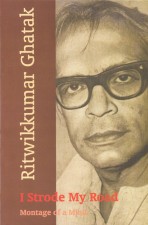
Ritwik Ghatak
I STRODE MY ROAD : Montage of a MindThis montage of a mind has been compiled and com-posed as a collage of words collected from as many as fifteen interviews of Ritwik Ghatak, the maestro. Arranged under topics, correlated with phases of his life and career, here are exclusively his words, the essential nectar of his talks.
Through the brilliance of his reckless dialogue, the core message of the maestro shines forth as an unwavering love for mankind and a determined diligence to urge the society for a change to the better. We are enthralled by the exposure and experience of the man, by his unflickering attachment to classic goodness amid passing decadence, by his brazen preference for his own truth, by the width of his scholarship and depth of his wisdom, and by the softness of his feelings and the firmness of his commitment.
₹ 70.00I Strode My Road_e-version
Ritwik Ghatak
I STRODE MY ROAD : Montage of a MindThis montage of a mind has been compiled and com-posed as a collage of words collected from as many as fifteen interviews of Ritwik Ghatak, the maestro. Arranged under topics, correlated with phases of his life and career, here are exclusively his words, the essential nectar of his talks.
Through the brilliance of his reckless dialogue, the core message of the maestro shines forth as an unwavering love for mankind and a determined diligence to urge the society for a change to the better. We are enthralled by the exposure and experience of the man, by his unflickering attachment to classic goodness amid passing decadence, by his brazen preference for his own truth, by the width of his scholarship and depth of his wisdom, and by the softness of his feelings and the firmness of his commitment.
₹ 70.00 -

Bholanath Bhattacharya
Krishna in the traditional paintings of BengalThis monograph deals with the history of the pat in various parts of India, the evolution of the pat of Bengal with a special analysis of the Kalighat branch, the patuas, and lastly the history and significance of the Krishna cult in lndia in general and Bengal in particular and the place of this cult in the traditional painting of Bengal. Although the traditional pat of Bengal has had for its subject a host of religious and social themes, the present monograph seeks to introduce the reader to it through illustrations of pats from the author’s personal collection dealing with one particular Hindu deity, namely, Lord Krishna.
₹ 100.00Krishna in the traditional paintings of Bengal_e-book
Bholanath Bhattacharya
Krishna in the traditional paintings of BengalThis monograph deals with the history of the pat in various parts of India, the evolution of the pat of Bengal with a special analysis of the Kalighat branch, the patuas, and lastly the history and significance of the Krishna cult in lndia in general and Bengal in particular and the place of this cult in the traditional painting of Bengal. Although the traditional pat of Bengal has had for its subject a host of religious and social themes, the present monograph seeks to introduce the reader to it through illustrations of pats from the author’s personal collection dealing with one particular Hindu deity, namely, Lord Krishna.
₹ 100.00 -

BHOLANATH BHATTACHARYA
Esoteric Cults of Consort Worship in BengalFrom the very days of inception woman breeds a sense of fear as well as devotion in the minds of man due to her mysterious relation with the process of creation. Worshiping woman as a symbol of power of creation and fertility also started from then. At the preliminary stage woman was worshiped as mother. Later, as man also found himself as a contributor in this process of creation, woman was worshiped as companion. The author gives a description of these confined cults which are practiced in different parts of Bengal in India for a long time. Before thirty five years this paper drew the attention of Mircea Eliade, Dineshchandra Sarkar, Atul Sur, Mazharul Islam and Mikhail Nalizevski when it was published for the first time in the ‘Folklore’ journal.
₹ 40.00Esoteric Cults of Consort Worship in Bengal_e-version
BHOLANATH BHATTACHARYA
Esoteric Cults of Consort Worship in BengalFrom the very days of inception woman breeds a sense of fear as well as devotion in the minds of man due to her mysterious relation with the process of creation. Worshiping woman as a symbol of power of creation and fertility also started from then. At the preliminary stage woman was worshiped as mother. Later, as man also found himself as a contributor in this process of creation, woman was worshiped as companion. The author gives a description of these confined cults which are practiced in different parts of Bengal in India for a long time. Before thirty five years this paper drew the attention of Mircea Eliade, Dineshchandra Sarkar, Atul Sur, Mazharul Islam and Mikhail Nalizevski when it was published for the first time in the ‘Folklore’ journal.
₹ 40.00 -
পাউলো ফ্রেইরি
মুক্তির জন্য সাংস্কৃতিক প্রয়াসপাউলো ফ্রেইরি-র শিক্ষাচিন্তার মূল কথা হল— প্রতিটি মানুষ এক-একটি স্বতন্ত্র স্বাধীন সত্তা, যিনি পৃথিবীকে পরিবর্তন করতে পারেন এবং নতুন করে গড়তে পারেন। মানুষের চেতনা রূপ পায় আর্থ-সামাজিক ও রাজনৈতিক পরিস্থিতি আর মানুষটির নিজস্ব পারিপার্শ্বিকের প্রভাবে। তত্ত্ব-কর্ম-সমন্বয়ী বিশ্লেষণী চেতনা মানুষকে ভাবনা থেকে কাজে অগ্রসর হতে শেখায়। শোষকের আরোপিত নৈঃশব্দ্যের সংস্কৃতি নিপীড়ন জারি রাখতে সাহায্য করে এবং মিথ্যা কিছু ভাবনার মধ্যে মানুষকে আটকে রাখে। জ্ঞানার্জনের উদ্দেশ্যই হল শিক্ষার্থীর (সেই সঙ্গে শিক্ষকেরও) তত্ত্ব-কর্ম-সমন্বয়ী বিশ্লেষণী চেতনায়নের মাধ্যমে বাস্তব জীবনে মুক্তি অর্জনের পথ করে নেওয়া ।
পাউলো ফ্রেইরি-কে নিয়ে বিশ্লেষণমূলক কাজ এখানে বিশেষ হয়নি। তাঁর শিক্ষাতত্ত্বের প্রয়োগও খুব বিস্তারিত ও সংগঠিত ভাবে হয়নি। বিদ্যায়তনের অন্দরে বসে গবেষণা যথেষ্ট নয়। তাঁকে নিয়ে কোন অর্থপূর্ণ কাজ করতে গেলে দেওয়ালের বাইরে না এলে চলবে না। তা না হলে মূল ব্যাপারটাই থেকে যাবে অধরা। সমস্যা হল, প্রথাবহির্ভূত শিক্ষাও এদেশে প্রাতিষ্ঠানিক হয়ে পড়ে। দরকার চিন্তাভাবনাকে বাক্সের বাইরে নিয়ে আসা, জানলা দিয়ে বাইরে তাকানো। ‘শিক্ষাব্যবস্থা’ নামক জড়দ্গবটিকে ভাঙতে হলে, ফ্রেইরি-র শিক্ষাচিন্তা অধ্যয়ন করা তাই খুবই জরুরি। তাঁর সব বই-ই পড়া উচিত, কিন্তু প্রথমে পড়া উচিত ‘কালচারাল অ্যাকশন ফর ফ্রিডম’।
বাঙালি পাঠকের কাছে পাউলো ফ্রেইরি-কে একেবারে গোড়া থেকে পৌঁছে দেওয়ার জন্যই এই বইয়ের পরিকল্পনা। বাংলা ভাষায় ফ্রেইরি-র লেখা সাবলীল ভাবে পৌঁছে দেওয়ার মূল কাজটি করেছেন সবিতা বিশ্বাস এবং এ বই সম্পাদনা করেছেন সলিল বিশ্বাস, দু-জনেই প্রথাবহির্ভূত শিক্ষার কাজে দীর্ঘ অভিজ্ঞতাসম্পন্ন।
প্রথম সংস্করণ, নতুন মুদ্রণ, ১১০ পৃষ্ঠা
₹ 200.00Muktir Jonyo Sanskritik Proyas
পাউলো ফ্রেইরি
মুক্তির জন্য সাংস্কৃতিক প্রয়াসপাউলো ফ্রেইরি-র শিক্ষাচিন্তার মূল কথা হল— প্রতিটি মানুষ এক-একটি স্বতন্ত্র স্বাধীন সত্তা, যিনি পৃথিবীকে পরিবর্তন করতে পারেন এবং নতুন করে গড়তে পারেন। মানুষের চেতনা রূপ পায় আর্থ-সামাজিক ও রাজনৈতিক পরিস্থিতি আর মানুষটির নিজস্ব পারিপার্শ্বিকের প্রভাবে। তত্ত্ব-কর্ম-সমন্বয়ী বিশ্লেষণী চেতনা মানুষকে ভাবনা থেকে কাজে অগ্রসর হতে শেখায়। শোষকের আরোপিত নৈঃশব্দ্যের সংস্কৃতি নিপীড়ন জারি রাখতে সাহায্য করে এবং মিথ্যা কিছু ভাবনার মধ্যে মানুষকে আটকে রাখে। জ্ঞানার্জনের উদ্দেশ্যই হল শিক্ষার্থীর (সেই সঙ্গে শিক্ষকেরও) তত্ত্ব-কর্ম-সমন্বয়ী বিশ্লেষণী চেতনায়নের মাধ্যমে বাস্তব জীবনে মুক্তি অর্জনের পথ করে নেওয়া ।
পাউলো ফ্রেইরি-কে নিয়ে বিশ্লেষণমূলক কাজ এখানে বিশেষ হয়নি। তাঁর শিক্ষাতত্ত্বের প্রয়োগও খুব বিস্তারিত ও সংগঠিত ভাবে হয়নি। বিদ্যায়তনের অন্দরে বসে গবেষণা যথেষ্ট নয়। তাঁকে নিয়ে কোন অর্থপূর্ণ কাজ করতে গেলে দেওয়ালের বাইরে না এলে চলবে না। তা না হলে মূল ব্যাপারটাই থেকে যাবে অধরা। সমস্যা হল, প্রথাবহির্ভূত শিক্ষাও এদেশে প্রাতিষ্ঠানিক হয়ে পড়ে। দরকার চিন্তাভাবনাকে বাক্সের বাইরে নিয়ে আসা, জানলা দিয়ে বাইরে তাকানো। ‘শিক্ষাব্যবস্থা’ নামক জড়দ্গবটিকে ভাঙতে হলে, ফ্রেইরি-র শিক্ষাচিন্তা অধ্যয়ন করা তাই খুবই জরুরি। তাঁর সব বই-ই পড়া উচিত, কিন্তু প্রথমে পড়া উচিত ‘কালচারাল অ্যাকশন ফর ফ্রিডম’।
বাঙালি পাঠকের কাছে পাউলো ফ্রেইরি-কে একেবারে গোড়া থেকে পৌঁছে দেওয়ার জন্যই এই বইয়ের পরিকল্পনা। বাংলা ভাষায় ফ্রেইরি-র লেখা সাবলীল ভাবে পৌঁছে দেওয়ার মূল কাজটি করেছেন সবিতা বিশ্বাস এবং এ বই সম্পাদনা করেছেন সলিল বিশ্বাস, দু-জনেই প্রথাবহির্ভূত শিক্ষার কাজে দীর্ঘ অভিজ্ঞতাসম্পন্ন।
প্রথম সংস্করণ, নতুন মুদ্রণ, ১১০ পৃষ্ঠা
₹ 200.00


Reviews
There are no reviews yet.